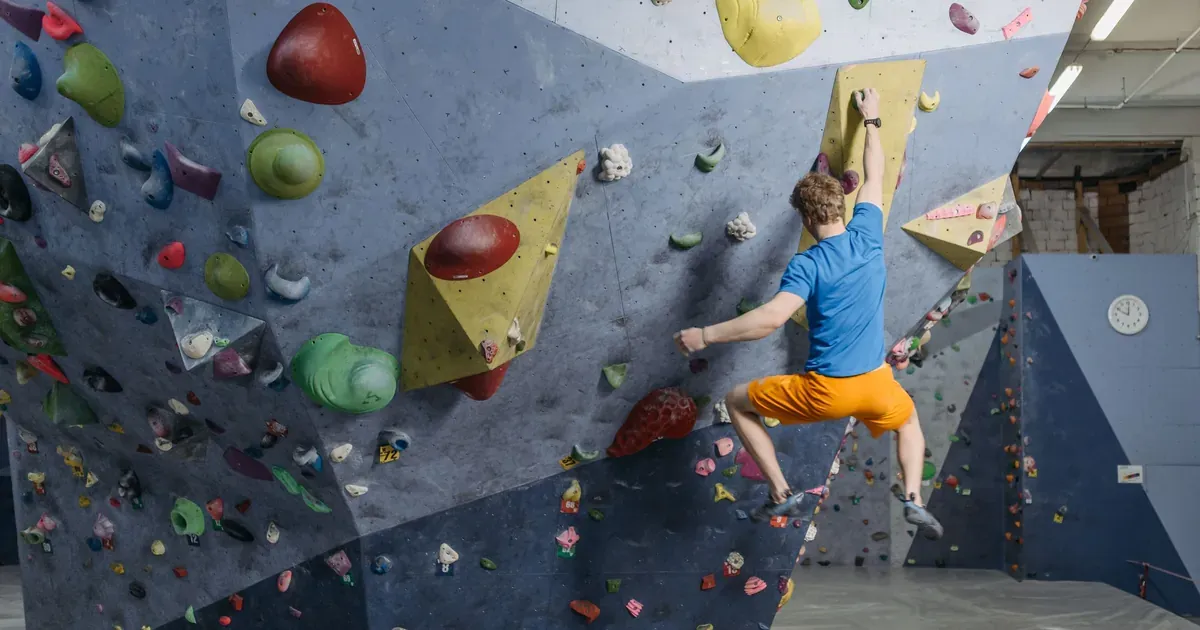
Monitoring climber readiness: wellness checks and HRV
What research says about wellness questionnaires and heart rate variability, which one a climbing coach should use, and how to turn daily check-ins into decisions.
Blog
Planning, metrics, injuries and athlete management. Practical guides written for climbing coaches who work with several athletes at once.
What research says about wellness questionnaires and heart rate variability, which one a climbing coach should use, and how to turn daily check-ins into decisions.
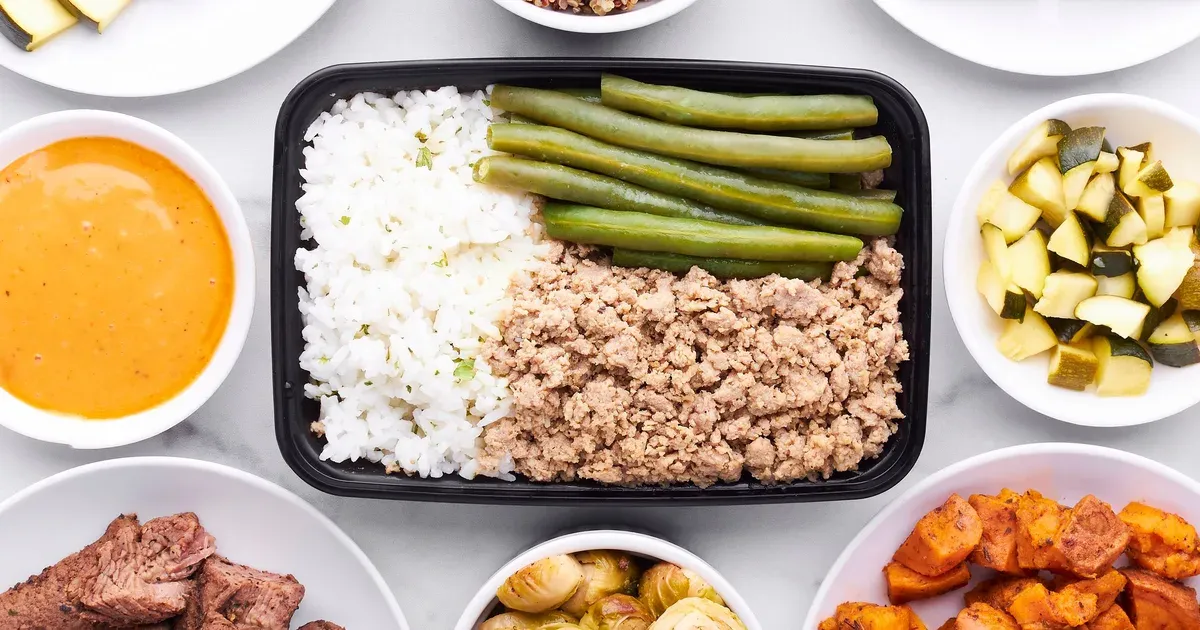
What research says about carbohydrate, protein and weight in climbing, the warning signs to notice, and where a coach’s role ends and a dietitian’s begins.
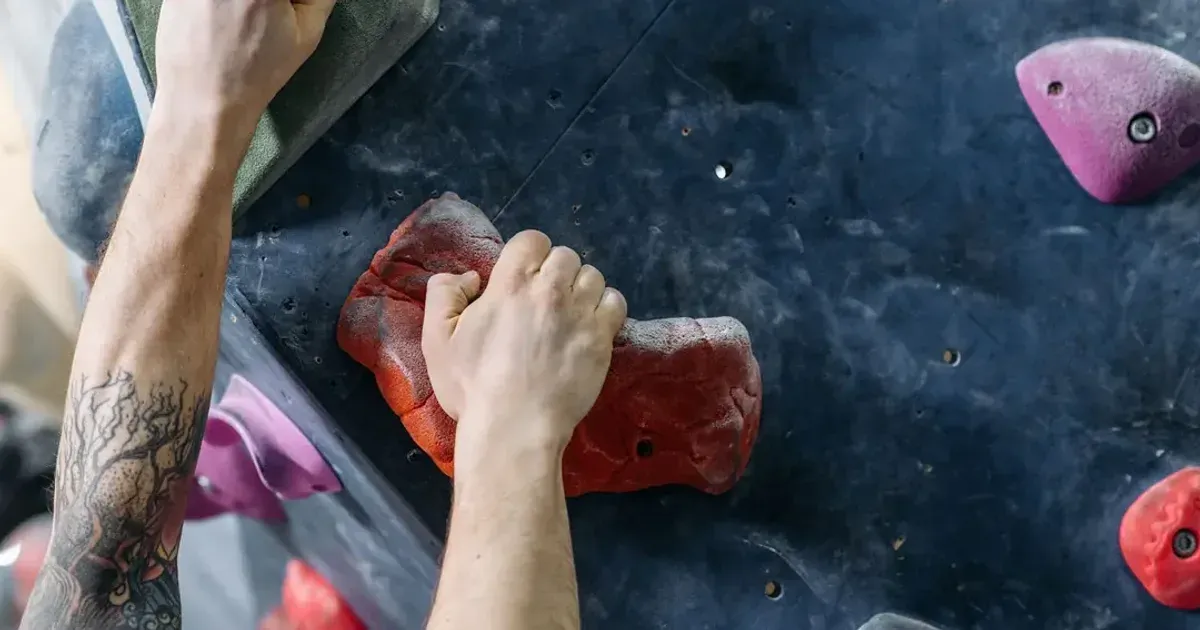
What the research says about max hangs, repeaters and minimum-edge hangs, how to pick a protocol for each climber and how to progress it without guesswork.
What the evidence actually says about deloading, how to cut volume without losing strength, and how to schedule deloads for climbers on different plans.
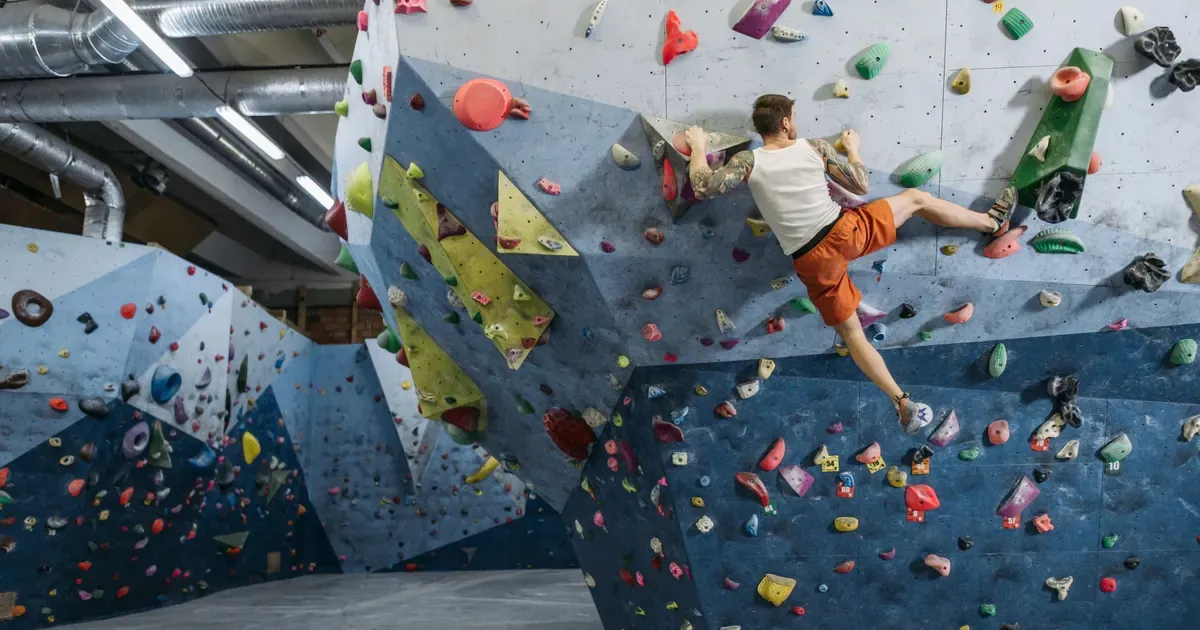
MoonBoard, Kilter or Tension: how to write a board session an athlete can follow, which variables to fix, how to cap finger load and what to log each time.
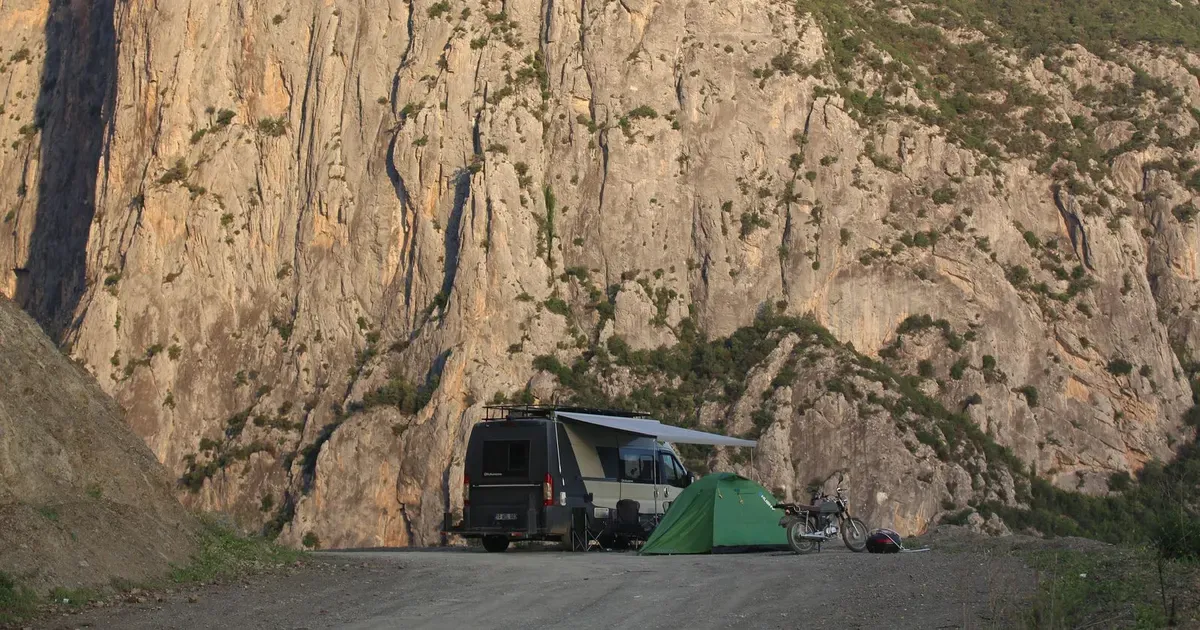
The four weeks before, the back-to-back tolerance nobody trains, the real curve of a long trip and what to log during the ten days.
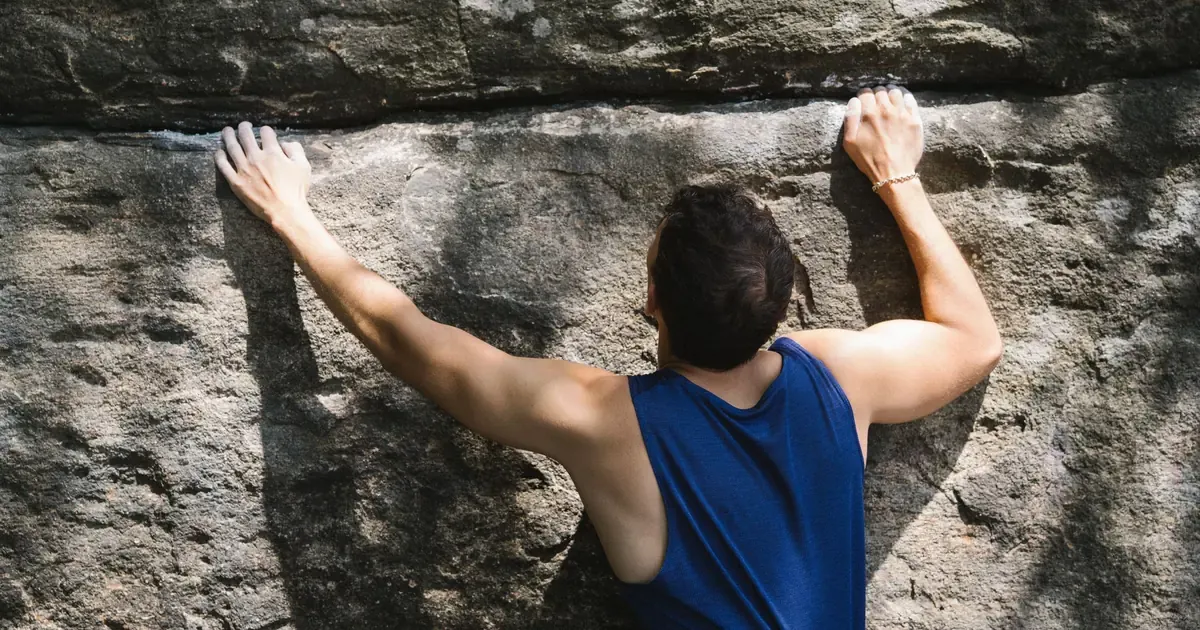
The shoulder is now the second most injured area in climbing and almost never gets logged. Why it hides, which sign gives it away and what prevention works.
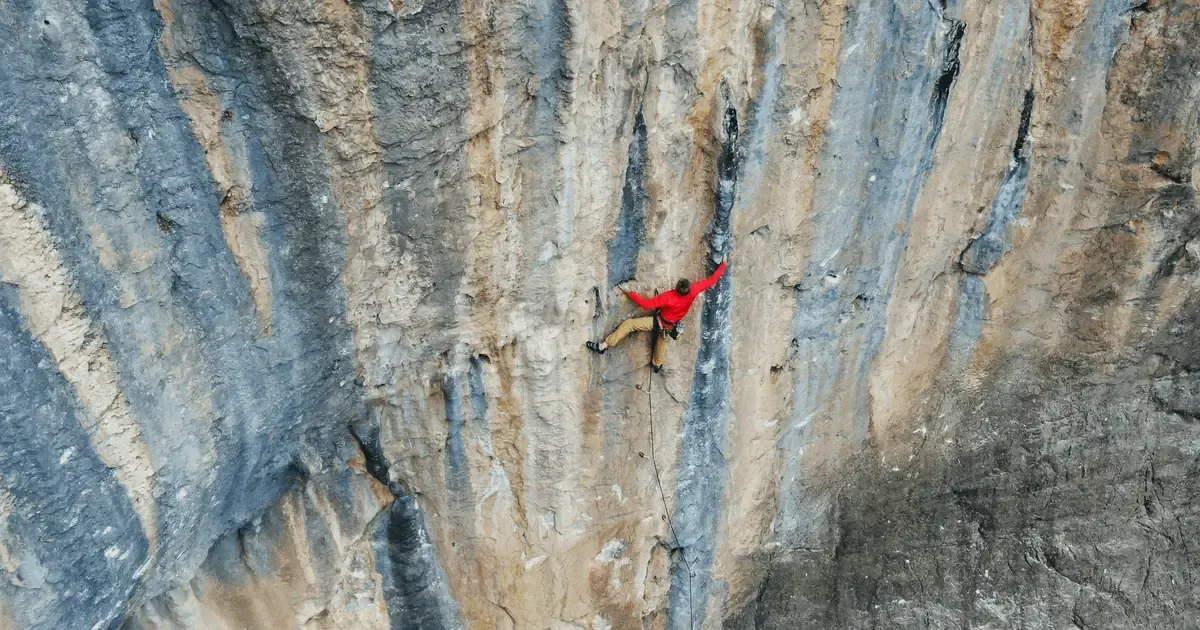
Siurana, Font, Céüse or Rodellar set your athlete's window better than any calendar. How to build a training year backwards from rock conditions.
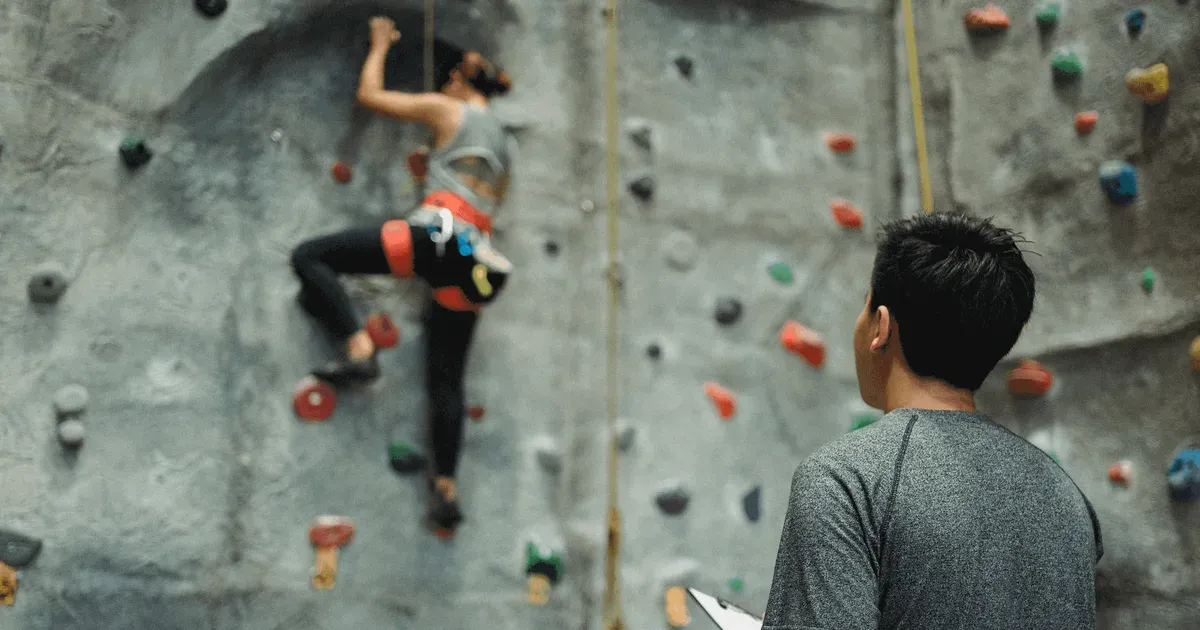
The screening questionnaire before taking on an athlete, which tests make a useful baseline, what not to test yet, and why protocol beats the number.
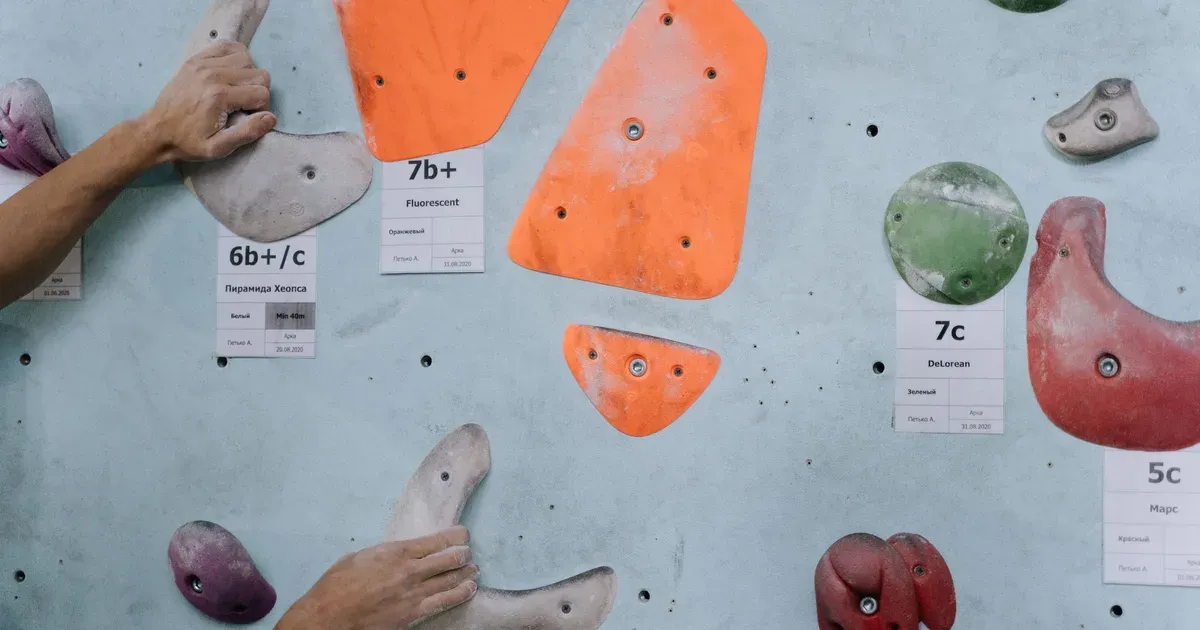
Climbing has no unit of training load. What each proxy captures (hours, sRPE, moves), why you need two axes, and the weekly minimum that survives February.

Why general personal-training platforms fall short for climbing: prescription modes, finger metrics, injuries and sends. A checklist to run before you pay.
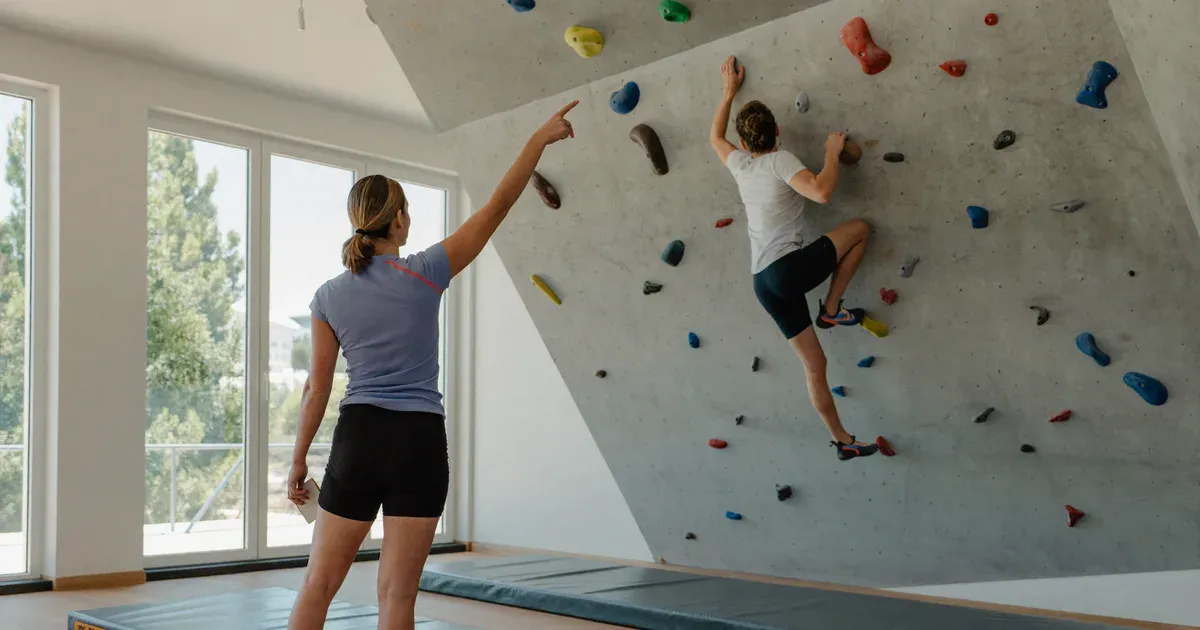
How to coach climbers online: what can be trained without seeing them, how to ask for a useful video, and which metrics replace the coach’s eye.
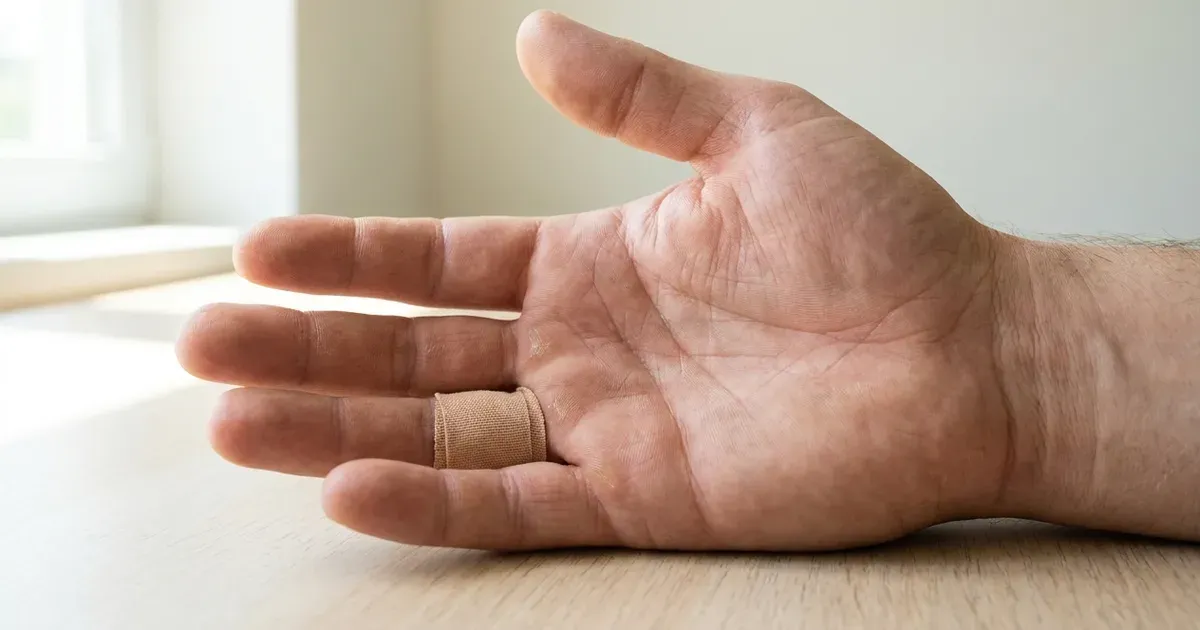
How to spot finger overload in your athletes, when to reduce training load and how to build it back without repeating the injury. A practical guide for coaches.

What breaks when a climbing coach goes from 5 to 20 athletes, and how to organise plans, metrics, injuries and communication so the system holds up.
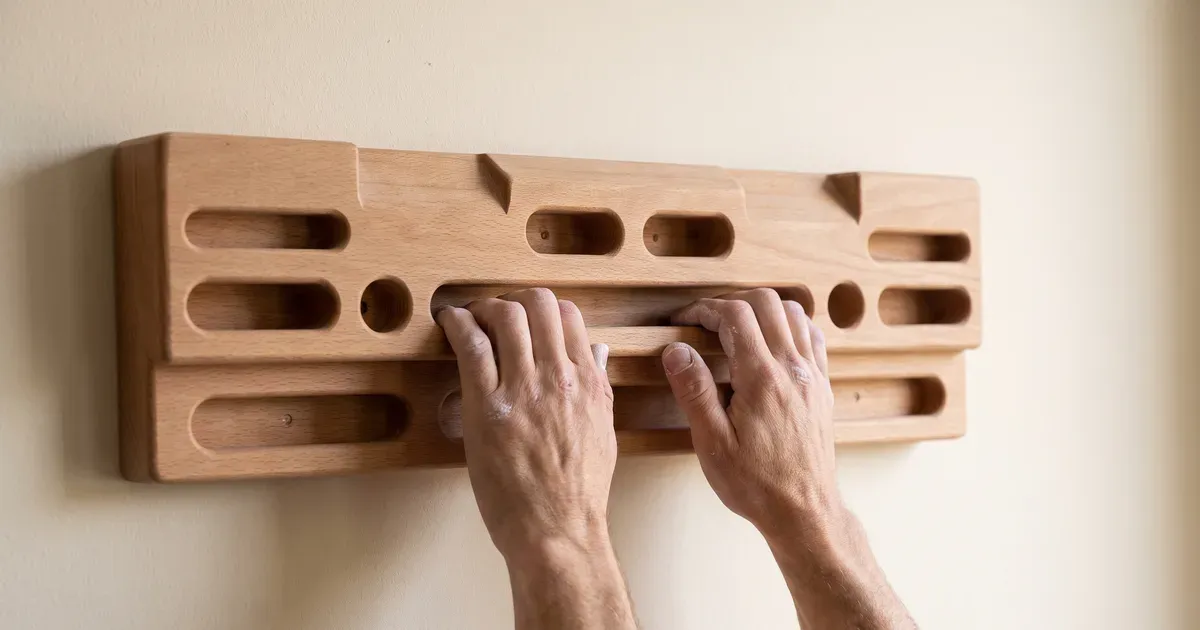
How to test finger strength for climbing with a dynamometer: max strength, critical force and fatigue resistance protocols, and how to read the numbers honestly.
A practical guide to structuring a climbing season into mesocycles: how to distribute load, when to train max finger strength and how to peak for your project.
ClimbrLab is software for climbing coaches who work with several athletes. You plan sessions and cycles, your athletes log workouts and routes from their app, and you see their finger strength (with Tindeq), training load, injuries and progress in one dashboard, with chat built in. If there are several coaches, Team mode lets you share a library and split athletes between you.
Request early access →