Fuelling climbers: what a coach should know about nutrition
What research says about carbohydrate, protein and weight in climbing, the warning signs to notice, and where a coach’s role ends and a dietitian’s begins.
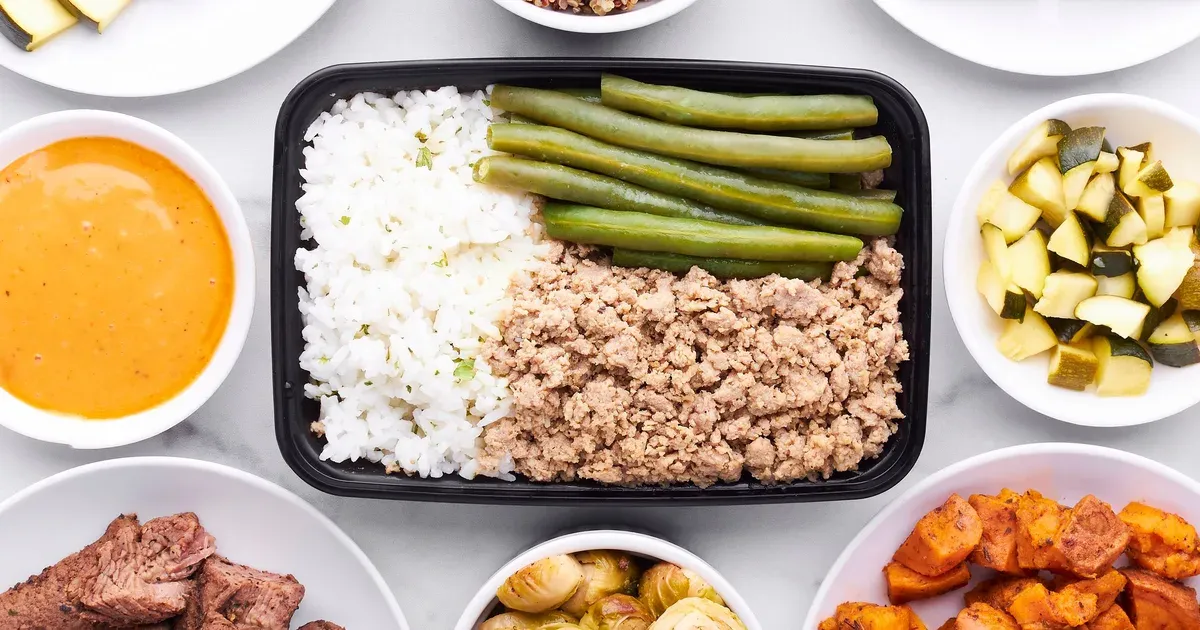
Most climbing coaches are not dietitians, and shouldn’t pretend to be. But every coach ends up having nutrition conversations anyway. An athlete asks whether they should drop two kilos before the regional bouldering round. Another trains at 7 pm straight from work and hasn’t eaten since lunch. A teenager starts skipping the snack after sessions because a friend said lighter climbers send harder.
You can’t write meal plans for twenty athletes, and you probably shouldn’t. What you can do is understand the basics well enough to spot when food is limiting training, avoid saying the wrong thing, and know when to refer someone on.
This article covers what the research actually says about fuelling for climbing, the habits worth encouraging, the warning signs worth noticing, and how to fit all of it into the way you run a group.
Why climbers get nutrition wrong
Climbing has a strength-to-weight problem baked into it. You move your body up a wall, so every kilo counts, and that’s both true and dangerous. True, because power-to-weight matters. Dangerous, because it pushes a lot of climbers towards eating less as a performance strategy.
Edward Smith (now Gibson-Smith), Ryan Storey and Mayur Ranchordas reviewed the evidence in Nutritional considerations for bouldering (2017, International Journal of Sport Nutrition and Exercise Metabolism). Their summary is still a useful starting point for coaches:
- Competitive boulderers are generally very lean, with reported body fat figures in roughly the same range as sport climbers.
- Specialist nutrition support is rare in the sport.
- Chronic carbohydrate restriction is common, and the authors flag it as a risk to health and performance.
- Because bouldering is high-intensity and repeated, they argue that adequate carbohydrate availability should be a priority.
- They also point out that research on nearly every aspect of climbing nutrition is still thin.
That last point matters. A lot of what follows comes from general sports nutrition guidelines applied to climbing, not from climbing-specific trials. That’s normal, but it’s worth being honest about.
What competition climbers actually do
In 2024, Gibson-Smith and colleagues published a survey of 50 senior competition climbers in Frontiers in Nutrition, looking at nutrition knowledge, weight loss and supplements. The headline findings are uncomfortable:
- Overall nutrition knowledge was average, with wide variation. Climbers did reasonably on protein, carbohydrate and supplements, and poorly on hydration and micronutrients.
- Fewer than one in five had access to a dietitian.
- Nearly half of the men and over a third of the women reported deliberately losing weight for competition at least once.
- Of those, around three-quarters had used methods the authors considered concerning, including dehydration, disordered eating patterns, vomiting and laxatives.
- About two-thirds used at least one supplement, many of them several.
The authors concluded that climbers need better education and that the people working with them should screen for risky weight management and have referral pathways in place. That’s a direct message to coaches. You’re often the person who sees the athlete most, and you may be the first to notice.
The basics worth knowing
You don’t need to calculate anyone’s macros. You do need a feel for what “enough” looks like, so you can recognise when an athlete is clearly short.
Carbohydrate: the fuel for hard sessions
Hard bouldering, board sessions, intervals and long days at the crag all rely heavily on carbohydrate. General sports nutrition guidelines (for example, the review by Burke and colleagues in the Journal of Sports Sciences, 2011) scale daily carbohydrate to training load:
- Light training or skill work: around 3 to 5 g per kg of body weight per day.
- Moderate training, around an hour a day: around 5 to 7 g per kg per day.
- Higher intakes are for much bigger training volumes than most climbers do.
The useful idea for a coach isn’t the number itself. It’s that carbohydrate should follow the training plan. A climber who eats the same tiny lunch on a rest day and on the day of a two-hour limit bouldering session is under-fuelling the session that matters. “Fuel for the work required” is a principle you can teach without becoming anyone’s nutritionist.
Protein: spread across the day
The joint position statement from the American College of Sports Medicine, the Academy of Nutrition and Dietetics and Dietitians of Canada (2016) suggests 1.2 to 2.0 g of protein per kg per day for athletes, ideally spread across meals rather than eaten in one go, with a protein-containing meal or snack after training.
Most adult climbers who eat regular meals already get there. The ones who don’t are usually the ones cutting weight, the ones on very restrictive diets, or the teenagers who skip meals.
Timing around sessions
A few practical habits help almost everyone:
- Eat something with carbohydrate in the two to three hours before a hard session, especially evening sessions after a working day.
- Bring food to long sessions and crag days. A full day of projecting on an empty stomach usually ends with poor attempts in the afternoon.
- Have a proper meal or snack with protein and carbohydrate after training, particularly when the next hard session is less than 24 hours away.
- Drink regularly, more so on hot crag days, and don’t use dehydration as a way to “make weight”.
Supplements
Supplements are where climbers spend money and coaches get asked questions. A few points to keep in mind:
- Gibson-Smith and colleagues note that high-quality trials of supplements in climbing are lacking. Most claims come from other sports.
- Some supplements have reasonable evidence in general sport, but that doesn’t automatically transfer to finger-intensive climbing.
- Competition climbers face anti-doping rules, and supplements can be contaminated. In the UK, batch-tested products are the safer option, and any athlete on a national pathway should follow their federation’s guidance.
The honest coaching line is: food first, sleep and training second, and any supplement decision made with a qualified practitioner.
The weight conversation
This is where coaches can do the most good and the most harm.
What not to say
Comments about an athlete’s weight, even well-meant ones, stick. A coach saying “you’d send that if you were a bit lighter” can trigger years of restrictive eating, particularly in teenagers. Avoid:
- Commenting on body shape or weight in front of the group, or at all, unless there’s a clear performance or health reason and a qualified person involved.
- Weighing athletes as a routine without a reason and a plan for how that data will be used.
- Linking grades or selection to weight.
Warning signs to notice
Low energy availability, when an athlete doesn’t eat enough to cover both training and normal body function, is the core of Relative Energy Deficiency in Sport (REDs), described in the International Olympic Committee consensus statements. In climbing, coaches should keep an eye out for:
- Unexplained weight loss or an athlete who is clearly eating very little around training.
- Persistent fatigue, poor recovery and performance that stalls or drops despite consistent training.
- Frequent illness or injuries, particularly bone stress injuries.
- Changes in the menstrual cycle in female athletes, including missed periods.
- Mood changes, irritability, or anxiety around food and eating.
None of these are things you diagnose. They’re reasons to have a private conversation and refer the athlete to a GP and a registered sports dietitian. Your job is to notice and to act, not to treat.
Competition weight cuts
If an athlete is planning to lose weight for a competition, the safest coaching answer is usually not to. Short-term cuts through dehydration or restriction reduce strength, power and decision-making, which is the opposite of what a competition needs. If an athlete genuinely needs to change body composition, it should be a long-term project led by a qualified professional, scheduled well away from key events.
Fitting nutrition into the training plan
The biggest lever a coach has isn’t advice about food. It’s making the training plan visible enough that the athlete can fuel for it.
- Share the week in advance. An athlete who knows Tuesday is a hard board session and Thursday is a light technique day can plan meals accordingly.
- Mark the big days. Projecting days, competition days and the first days of a climbing trip need more food than usual, not less.
- Watch the load and recovery together. If you already quantify training load, an athlete whose session RPE keeps rising for the same work may be under-recovering, and food is one of the first things to check.
- Plan recovery deliberately. Deload weeks are not a reason to cut food sharply. Tissue repair still needs energy and protein.
- Ask the questions in your initial assessment. A few simple items on eating habits, past weight loss and menstrual health give you a baseline before anything goes wrong.
Youth climbers
Everything above applies more strongly to adolescents. They are growing, they’re often training more than ever, and they’re at the age where body image pressure is strongest. A teenager who’s under-eating isn’t just limiting performance; they may be compromising growth and bone health.
For youth squads:
- Don’t weigh juniors as a performance metric. If height and weight are tracked for growth monitoring, keep the data private and away from performance conversations.
- Talk to parents about regular meals and snacks around training, especially after-school sessions.
- Refer early. If you’re worried, a conversation with parents and a GP is better too early than too late.
Common mistakes
- Treating “lighter” as a training strategy. It rarely helps and often harms.
- Eating the same on hard days and rest days. Fuel should follow the plan.
- Hard evening sessions on an empty stomach. Poor quality and higher injury risk.
- Supplements before basics. Most climbers would gain more from regular meals and sleep.
- Commenting on weight in front of the group or without a clear reason.
- Ignoring warning signs because the athlete is still performing. Performance often holds up until it doesn’t.
- Trying to be the dietitian. Know when to refer.
Frequently asked questions
How much carbohydrate does a climber need?
General sports nutrition guidelines suggest around 3 to 5 g per kg of body weight per day for light training and around 5 to 7 g per kg per day for moderate training of about an hour a day. Climbing-specific trials are scarce, but a 2017 review of bouldering nutrition highlighted adequate carbohydrate availability as a priority because the sport is high-intensity and repeated.
How much protein should climbers eat?
Sports nutrition position statements suggest 1.2 to 2.0 g of protein per kg of body weight per day for athletes, spread across meals and including a protein-containing meal or snack after training. Most adult climbers who eat regular meals reach this; those restricting food or skipping meals often don’t.
Should climbers lose weight to climb harder?
Usually not. In a 2024 survey of 50 senior competition climbers, nearly half of the men and over a third of the women had deliberately lost weight for competition, and around three-quarters of those used concerning methods such as dehydration or disordered eating. Any body composition change should be long-term and led by a qualified professional.
What are the signs of low energy availability in climbers?
Unexplained weight loss, persistent fatigue, stalled performance, frequent illness or bone stress injuries, changes in the menstrual cycle and anxiety around food are common warning signs of Relative Energy Deficiency in Sport. A coach’s role is to notice them and refer the athlete to a doctor and a sports dietitian.
How can a climbing coach support athletes’ nutrition without being a dietitian?
By sharing the training plan in advance so athletes can fuel for hard days, avoiding comments about weight, tracking recovery and wellbeing alongside load, and having a referral pathway to a qualified dietitian. ClimbrLab is climbing coaching software that keeps each athlete’s plan, session feedback and notes in one place.
Where this breaks
With one athlete, you notice. You see them arrive tired, you see them skip the post-session snack, you hear them mention the competition weigh-in they’re worried about.
With twenty, scattered across different gyms and schedules, you don’t. One athlete’s session RPE has been creeping up for three weeks for the same work, but it’s in a spreadsheet nobody reads. Another mentioned feeling “flat all the time” in a chat message that scrolled away. A third trains hard every Tuesday evening and hasn’t been told it’s the most demanding session of the week. It’s the same pattern we described in coaching 20 climbers without drowning in spreadsheets: the information exists, but not where you can see it next to the plan.
How this works in ClimbrLab
ClimbrLab is the tool we’re building for climbing coaches who work with several athletes at once. It won’t tell anyone what to eat, and it shouldn’t. What it does is make the plan visible to the athlete and the athlete’s feedback visible to you.
With ClimbrLab
Each athlete sees their week on their phone: which day is the hard board session, which is the light technique day and which is rest. That’s what lets them plan meals around the work instead of guessing.
After each session they log effort, duration, notes and any discomfort, so a pattern of rising effort, low energy or “felt empty today” shows up in their history instead of disappearing in a chat.
- Block-based plans, one per athlete, visible on the athlete’s phone ahead of time.
- Session logs from the phone. Effort, duration, notes and discomfort after every session.
- Custom metrics per athlete, for anything you want to follow, such as a simple energy or wellbeing score.
- Coach notes on the athlete’s profile, so a sensitive conversation or a referral isn’t lost in your memory.
We’re opening early access for coaches. If you want to see each athlete’s plan and feedback in one place, leave us your details and we’ll let you know.
Keep reading
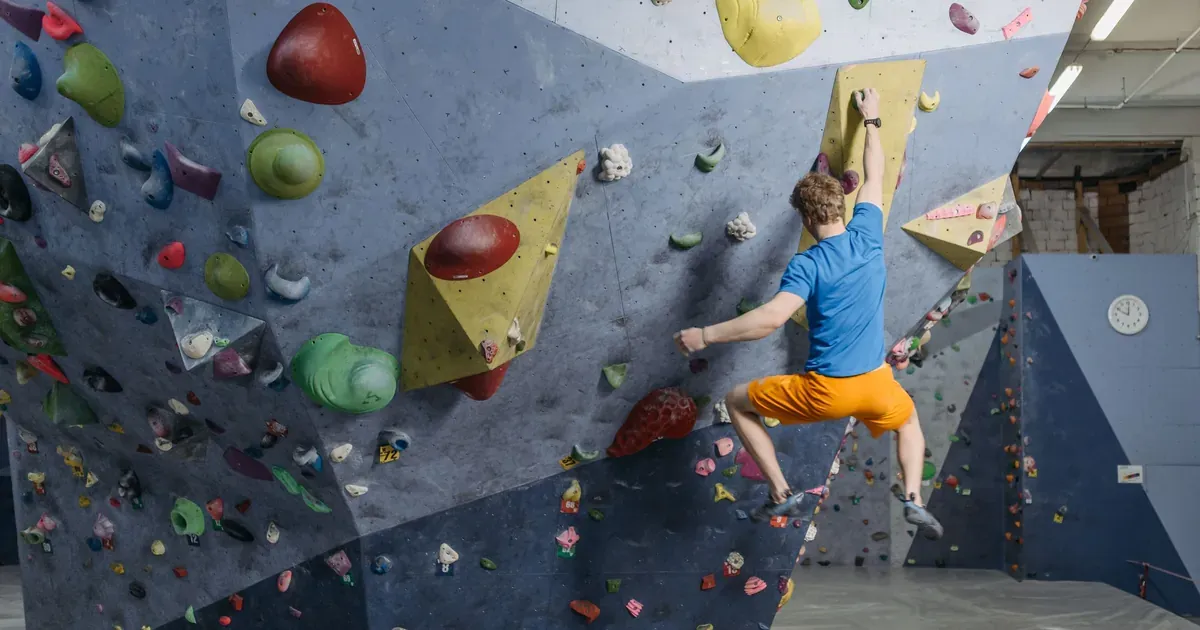
Monitoring climber readiness: wellness checks and HRV
What research says about wellness questionnaires and heart rate variability, which one a climbing coach should use, and how to turn daily check-ins into decisions.
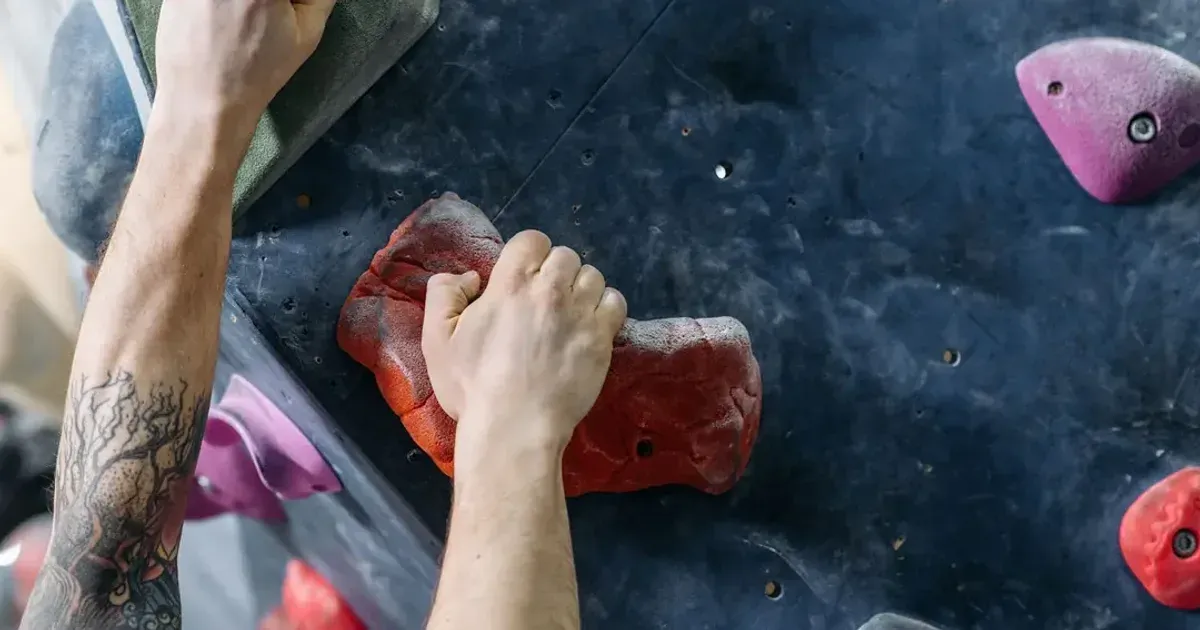
Max hangs vs repeaters: choosing hangboard protocols
What the research says about max hangs, repeaters and minimum-edge hangs, how to pick a protocol for each climber and how to progress it without guesswork.
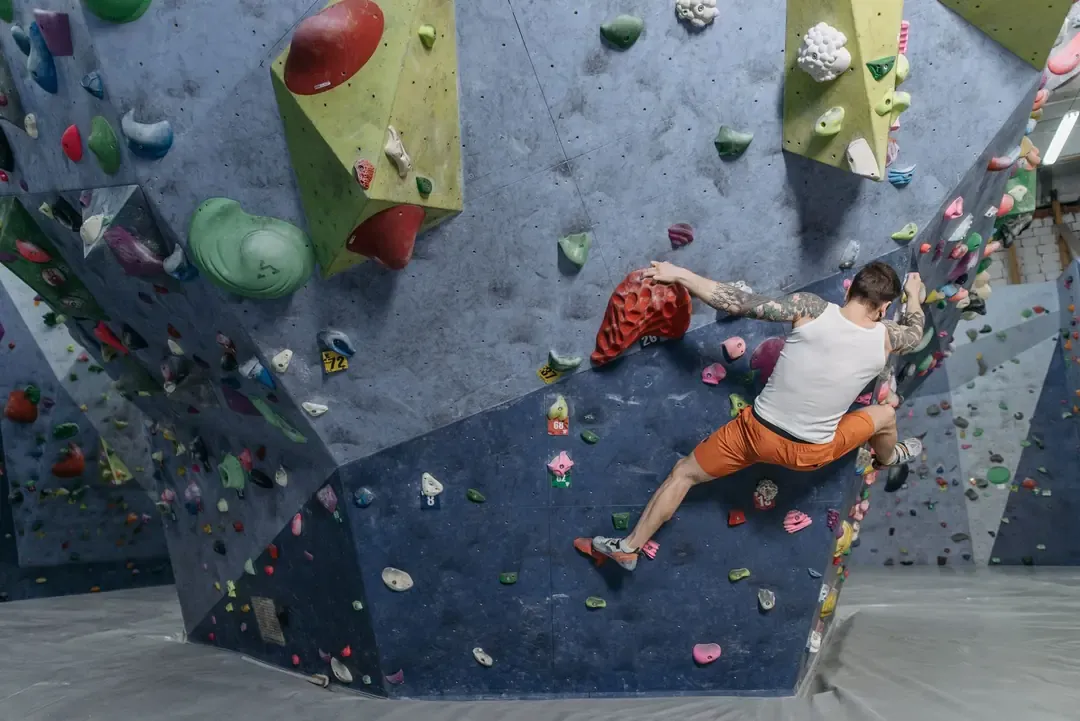
Deload weeks in climbing: when and how to program them
What the evidence actually says about deloading, how to cut volume without losing strength, and how to schedule deloads for climbers on different plans.
Do you coach climbing athletes?
ClimbrLab is software for climbing coaches who work with several athletes. You plan sessions and cycles, your athletes log workouts and routes from their app, and you see their finger strength (with Tindeq), training load, injuries and progress in one dashboard, with chat built in. If there are several coaches, Team mode lets you share a library and split athletes between you.
Tell us how you coach and we’ll get back to you with access.