Monitoring climber readiness: wellness checks and HRV
What research says about wellness questionnaires and heart rate variability, which one a climbing coach should use, and how to turn daily check-ins into decisions.
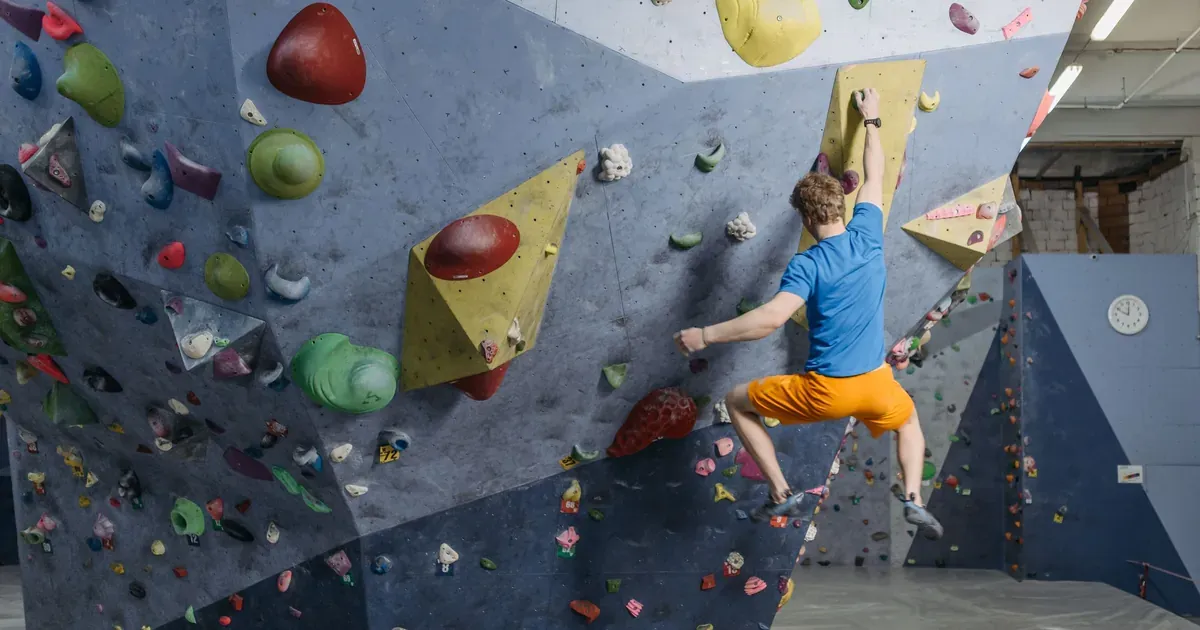
Every coach has had this session. The plan says limit bouldering. The athlete turns up, warms up, and on the second problem it’s obvious: they’re slow, flat, pulling half as hard as last week. You find out, five minutes into the session, that they slept five hours, had a brutal week at work and their fingers have felt “a bit tweaky” since Sunday.
All of that information existed before the session. You just didn’t have it.
Readiness monitoring is the habit of collecting that information before it matters, so that you adjust the session instead of finding out halfway through. It has become standard in team sports, and the tools for it, from a five-question form to a chest strap or a ring that measures heart rate variability, are now cheap and everywhere. The question for a climbing coach isn’t whether to monitor, but what is worth asking for, and what you’ll actually do with the answer.
This article covers what the research says about subjective wellness measures and heart rate variability (HRV), what each is good for, and how to build a simple readiness routine for a group of climbers.
What “readiness” actually means
Readiness is a loose word. In practice it’s the answer to one question: is this athlete in a state to get what this session is meant to give them?
That depends on things you can’t see from the training plan alone:
- Accumulated fatigue from the last few days of training.
- Sleep, both quantity and quality.
- Life stress: exams, work deadlines, family, travel.
- Local tissue state: tired fingers, a tweaky pulley, sore skin, an elbow that’s been grumbling.
- Illness coming on or just finished.
- Energy intake, which we covered in fuelling climbers.
None of these show up in your spreadsheet of sets and reps. They show up in the athlete. Monitoring is simply a structured way of asking.
What the research says
Subjective measures are surprisingly good
The most cited paper on this topic is a systematic review by Saw, Main and Gastin (2016, British Journal of Sports Medicine). They looked at 56 studies that measured both subjective wellbeing (questionnaires about mood, fatigue, soreness, stress, sleep) and objective markers (blood markers, resting heart rate, oxygen consumption and so on) in athletes.
Their main findings:
- Subjective and objective measures generally did not correlate with each other. They are measuring different things.
- Subjective measures responded more sensitively and more consistently to changes in training load than the objective ones. Wellbeing got worse after acute increases in load and with chronic training, and improved when load dropped.
- The authors concluded that subjective measures can be used on their own or as part of a mixed approach.
The title says subjective measures “trump” objective ones. That’s a strong word: the fair reading is that for tracking how athletes respond to training, a well-asked question is at least as useful as an expensive measurement, and much cheaper.
Short wellness questionnaires
In practice, most teams don’t use long validated psychology inventories every day. They use short custom questionnaires. One commonly used format, described by McLean and colleagues (2010, International Journal of Sports Physiology and Performance) in professional rugby league, asks athletes to rate five items on a 1-5 scale:
- Fatigue
- Sleep quality
- General muscle soreness
- Stress levels
- Mood
Five questions take under a minute. Variants of this format are used across many sports. It isn’t a climbing-specific validated tool, and the exact scores mean nothing in isolation: what matters is the change relative to the athlete’s own normal.
Heart rate variability
HRV is the variation in time between heartbeats. At rest, a higher HRV generally reflects a greater influence of the parasympathetic nervous system, the “rest and digest” side. Sustained drops from an athlete’s own baseline can reflect accumulated stress, from training or from life.
Much of the applied work on using HRV to guide training comes from endurance sport. Plews and colleagues (2013, Sports Medicine) reviewed how to use HRV in elite endurance athletes and argued for a few principles that still guide practice:
- Measure first thing in the morning, in the same position, every day.
- Look at a rolling average over about a week, not single days, because day-to-day HRV is noisy.
- Interpret changes against the athlete’s own baseline, and alongside training load and how the athlete feels.
For climbing specifically, the evidence is thin. There are small studies measuring heart rate and HRV in climbers in lab settings, on training camps and in competition, but there is no validated HRV-guided training protocol for climbers. Climbing is also dominated by local fatigue in the forearms and fingers, which a whole-body marker like HRV may not capture well. An athlete can have a perfect HRV score and a finger pulley that needs a rest day.
So which one should a climbing coach use?
For most coaches with a group of climbers, the honest answer is:
- Start with a short subjective check-in. It’s free, it’s quick, it’s supported by evidence, and it includes things HRV can’t see, like a sore finger.
- Add HRV only for athletes who already use a device and measure consistently. For a committed adult athlete with a chest strap or a ring, a weekly HRV trend can add useful context. For a group of teenagers, it’s usually more noise than signal.
- Never make decisions from a single number. Not a single bad wellness score and not a single low HRV reading.
A readiness check-in for climbers
Here’s a practical proposal, not a validated instrument. It adapts the common five-item format to climbing by adding the things that matter most in this sport:
- Sleep quality last night (1-5).
- General fatigue (1-5).
- Stress outside training (1-5).
- Finger and forearm state (1-5), where 1 means “tweaky or painful” and 5 means “fresh”.
- Skin (1-5), which matters more than people admit on rock and on the board.
- Any pain or discomfort? Yes or no, and if yes, where and which side.
- Optional: morning HRV, for athletes who measure it.
Ask for it before the session, on the phone, in under a minute. The pain question is the one never to skip, because it’s what links readiness to finger injury management.
What to do with the answers
Monitoring only earns its place if it changes decisions. Agree with yourself, in advance, on a few rules:
- One low score, everything else normal: carry on, but ask a question. A bad night happens.
- Two or three items clearly below the athlete’s normal: keep the session, cut the intensity. Swap limit bouldering for volume at moderate grades, or cut the number of max hangs.
- Finger or forearm score at 1-2, or a new pain: take the fingers off the menu for the day. Technique, legs, mobility or rest.
- A downward trend over a week, in wellness or in HRV: look at the training load of the last two or three weeks before blaming the athlete. It might be time for an earlier deload week.
- Persistent low scores despite reduced load: talk to the athlete. Sleep, nutrition, stress or illness may be the cause, and some of those need someone other than a coach.
Making it stick
The biggest problem with readiness monitoring isn’t the science. It’s compliance. A few things help:
- Keep it short. Every extra question costs answers.
- Show athletes that it matters. If they fill it in and nothing ever changes, they stop filling it in. Mention it: “you flagged your fingers this morning, so today’s board session is technique only.”
- Don’t punish honest answers. If reporting a sore finger means being benched and lectured, athletes will report fives.
- Set a baseline first. Two or three weeks of normal training give you each athlete’s “normal” before you start reacting to changes. The initial assessment is a good moment to explain why you’re asking.
Special cases
Youth athletes
With younger athletes, keep it simple: three or four questions with faces or words rather than numbers, and always the pain question. HRV devices add little at this age and can create an unhealthy focus on numbers.
Athletes you coach remotely
Readiness checks are even more valuable when you don’t see the athlete in person, because you lose all the cues you’d pick up in the gym. If you coach climbers remotely, a pre-session check-in replaces the five-minute chat at the start of the session.
Competition and trip periods
During competition weeks or climbing trips, sleep and stress change a lot and quickly. Wellness scores are especially useful there to decide whether an athlete needs a rest day before the next round or the next redpoint day.
Common mistakes
- Collecting data nobody looks at. If you don’t check the answers before the session, don’t ask the questions.
- Reacting to single days. HRV and wellness are noisy. Trends matter.
- Comparing athletes with each other. A “3” from one athlete is another athlete’s “4”. Compare each athlete with themselves.
- Trusting HRV over the athlete. A good HRV score doesn’t overrule a sore finger.
- Asking too many questions. Long forms get abandoned within a month.
- Making it a test athletes can fail. Honest answers are the whole point.
Frequently asked questions
Is a wellness questionnaire useful for climbers?
Yes. A 2016 systematic review in the British Journal of Sports Medicine found that subjective self-reported measures responded more sensitively and consistently to changes in training load than common objective markers. For climbers, adding questions about fingers, forearms and skin makes a short questionnaire even more relevant.
Should climbers track heart rate variability?
It can help committed adult athletes who measure consistently each morning, interpreted as a weekly trend against their own baseline. There is no validated HRV-guided protocol for climbing, and HRV doesn’t capture local finger and forearm fatigue, so it should complement, not replace, asking the athlete.
What questions should a climbing readiness check-in include?
A practical version asks about sleep quality, general fatigue, stress, finger and forearm state, skin, and any pain with its location and side, each on a simple scale. It should take under a minute and be completed before the session.
How should a coach use readiness scores?
By agreeing on simple rules in advance: one low score triggers a question, several low scores reduce intensity, a new finger pain removes finger loading for the day, and a downward trend over a week triggers a review of recent training load. Always compare an athlete with their own baseline.
How can a coach collect readiness data from a group of climbers?
With a short check-in that athletes complete on their phone before each session, stored next to their training plan and session logs. ClimbrLab is climbing coaching software that keeps each athlete’s plan, session feedback and custom metrics in one place.
Where this breaks
With one athlete, readiness monitoring is a conversation. You ask how they slept, look at their hands, and adjust.
With twenty, it falls apart fast. The wellness form lives in one app, the HRV in another, the session RPE in a spreadsheet and the “my finger’s a bit off” in a chat message. Nobody has time to check four places before every session, so nobody checks any of them, and athletes stop filling them in. It’s the same problem we described in coaching 20 climbers without drowning in spreadsheets: the data exists, but not next to the plan, where it would change a decision.
How this works in ClimbrLab
ClimbrLab is the tool we’re building for climbing coaches who work with several athletes at once. Readiness is only useful if it sits next to the session it’s meant to change.
With ClimbrLab
You can create custom metrics for each athlete, such as a daily wellness score, a finger state score or morning HRV, and see each one as a trend over time instead of scattered numbers.
After each session athletes log effort, duration, notes and any discomfort from their phone, so you can see readiness, load and pain side by side before you decide whether today is a max hangs day or a technique day.
- Custom metrics per athlete, for wellness scores, HRV or anything else you want to track.
- Session logs from the phone. Effort, duration, notes and discomfort after every session.
- Block-based plans, one per athlete, so you can adjust one athlete’s session without touching the group’s.
- Injury history with location and side, so a flagged finger isn’t forgotten next week.
We’re opening early access for coaches. If you want to know how your athletes arrive before the session starts, leave us your details and we’ll let you know.
Keep reading
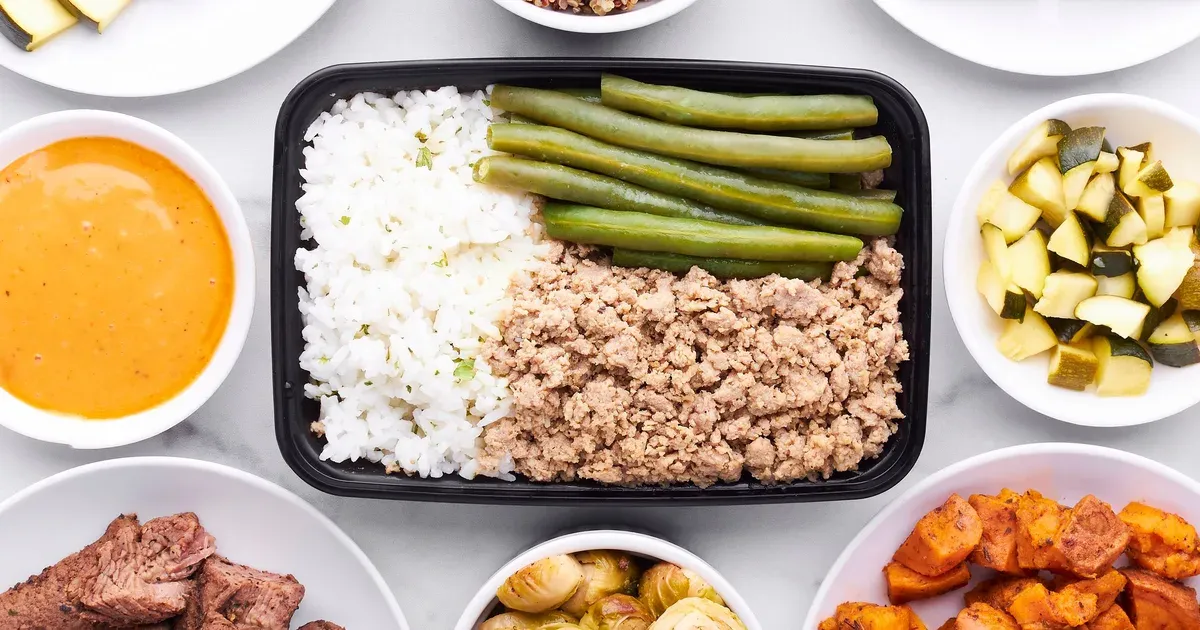
Fuelling climbers: what a coach should know about nutrition
What research says about carbohydrate, protein and weight in climbing, the warning signs to notice, and where a coach’s role ends and a dietitian’s begins.
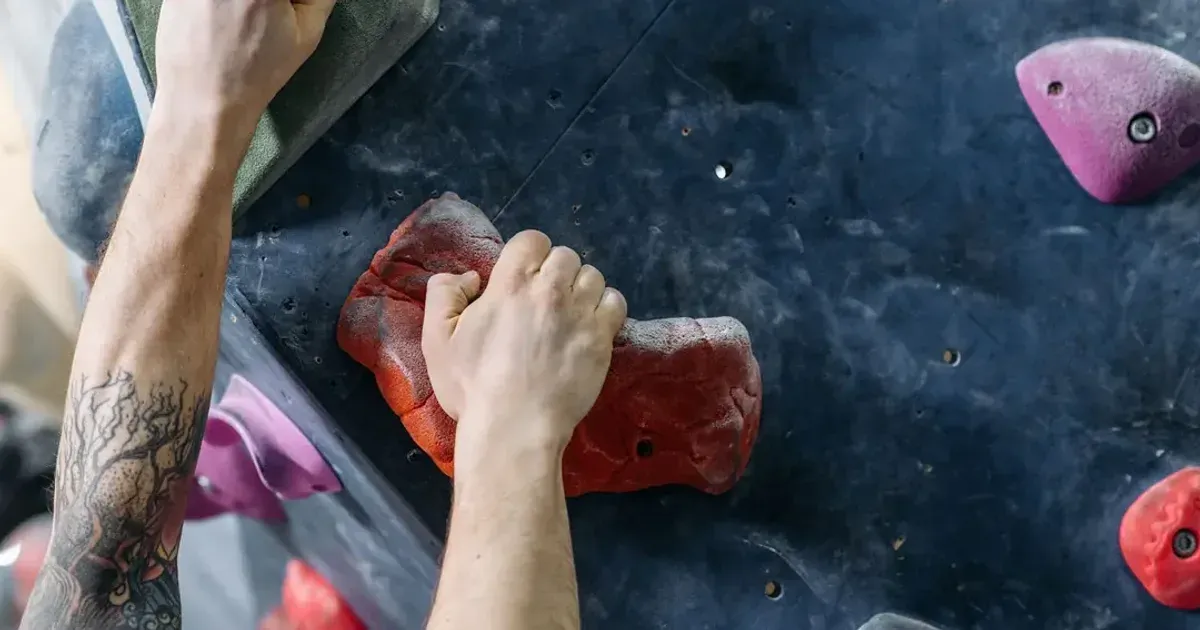
Max hangs vs repeaters: choosing hangboard protocols
What the research says about max hangs, repeaters and minimum-edge hangs, how to pick a protocol for each climber and how to progress it without guesswork.
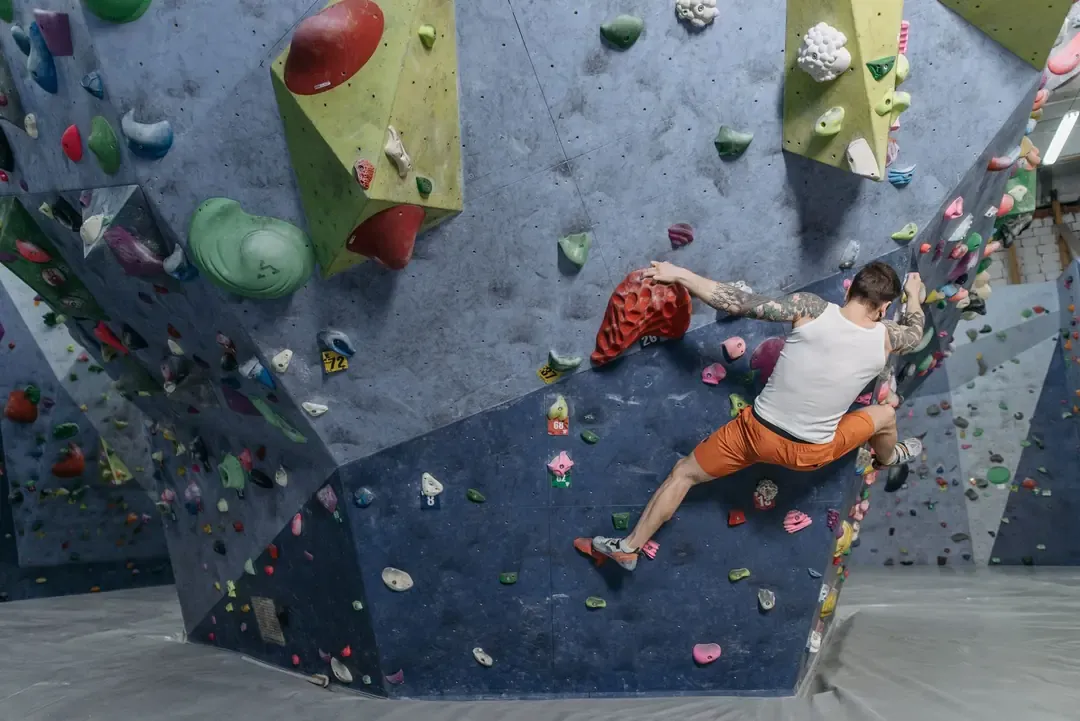
Deload weeks in climbing: when and how to program them
What the evidence actually says about deloading, how to cut volume without losing strength, and how to schedule deloads for climbers on different plans.
Do you coach climbing athletes?
ClimbrLab is software for climbing coaches who work with several athletes. You plan sessions and cycles, your athletes log workouts and routes from their app, and you see their finger strength (with Tindeq), training load, injuries and progress in one dashboard, with chat built in. If there are several coaches, Team mode lets you share a library and split athletes between you.
Tell us how you coach and we’ll get back to you with access.