Climbing trips: how to prepare an athlete for ten days on rock
The four weeks before, the back-to-back tolerance nobody trains, the real curve of a long trip and what to log during the ten days.
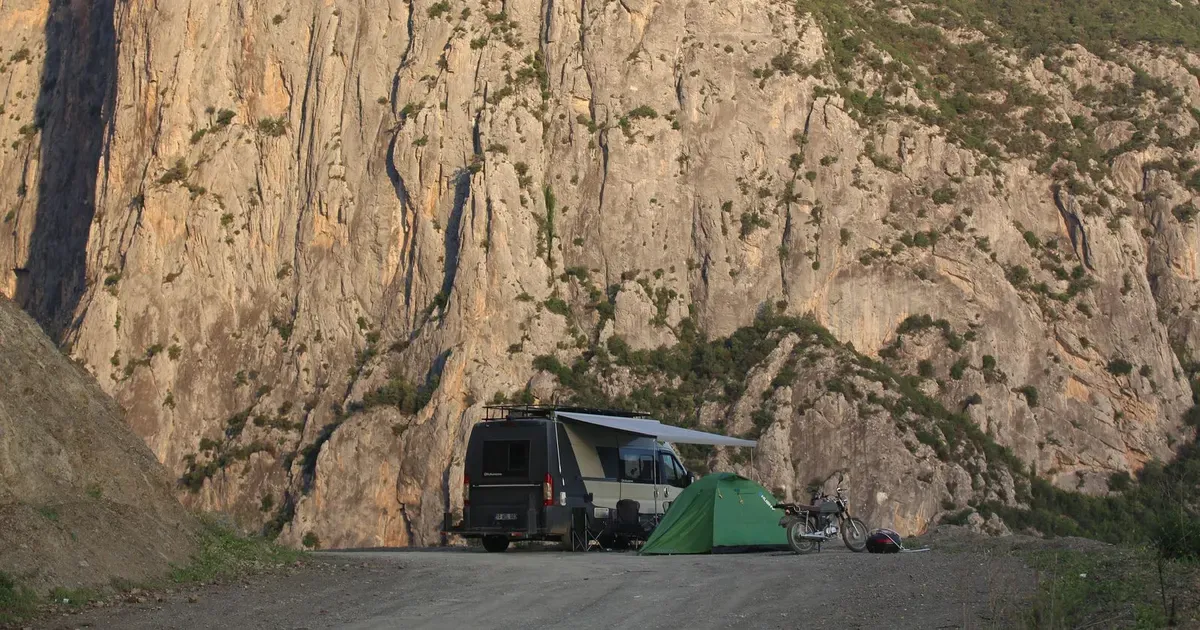
Through the year you coach your athlete with a reasonable degree of control: you know which sessions they do, how hard and how they fit together. Then come ten days in Siurana, Font or Céüse, and for that whole stretch you know nothing.
The odd thing is that those ten days are, by a long way, the hardest training block of their year. Five to seven days climbing almost back to back, usually at higher intensities than anything in the plan, with approaches on top and hours standing around belaying. It’s the block with the highest accumulated load, and the only one that arrives unprogrammed, unlogged and with no deload afterwards.
This article covers the four weeks before, the ten days themselves, and the week after, which is the one nobody plans.
What a ten-day trip is, in terms of load
Stop thinking of it as a holiday from the plan and look at it for what it is.
An athlete who trains three days a week does, in a normal week, three sessions with one or two recovery days in between. On a trip they might climb five days out of seven, with a density of finger loading they never see at any other point in the year, and climbing above their usual level because they’re on their project.
If you’re tracking load on the two axes we discussed in quantifying training load, the trip sends both up at once: the systemic one through the pile-up of days, and the finger one through intensity and repetition without enough rest between days.
And it’s worth remembering the epidemiology figure we’ve already quoted: around 77% of injuries happen while climbing at or below the climber’s usual level. Nobody gets hurt on the limit move on day one. They get hurt on day four, on a 6c warm-up, on fingers that have already gone.
The quality nobody trains
This, for me, is the point that ruins more trips than anything else.
An athlete can arrive at peak maximal finger strength and fall apart on day three. Not for lack of strength, but because they haven’t climbed two days in a row for months. The ability to perform on consecutive days is a quality in its own right, it depends mainly on the tissue’s tolerance to repeated loading, and it’s trained like everything else: by exposure to it.
The typical weekly gym plan trains it in exactly the opposite way. Monday, Wednesday and Friday with a rest day in between is an excellent pattern for building strength and a terrible one for preparing someone who’s going to climb Monday, Tuesday, Wednesday, rest, Thursday, Friday.
The practical upshot: in the weeks before, at least once or twice, the athlete should do two or three consecutive days of climbing, with volume and intensity kept in check. Not to gain anything, but so that day four of the trip isn’t the first time in six months their fingers have faced that situation. And so that you know how they respond before the trip money has been spent.
The four weeks before
The classic mistake is confusing arriving fresh with arriving detrained. Three weeks of doing nothing before a trip isn’t tapering: it’s losing form just before you need it.
The principle that does work: cut the volume, keep the contact, respect specificity.
- Volume comes down progressively over the last two or three weeks. Fewer sets, fewer long sessions, less base-building work.
- Intensity stays. Short sessions with high stimuli hold form far better than complete rest.
- Specificity goes up. This is the time to start looking like the destination. Margalef asks for pockets and two-finger pockets; Chulilla asks for long-route endurance; Font asks for power, compression and tolerance on slopers. Training half crimp on 20 mm edges for a Margalef trip is preparing, with great discipline, for something else. We looked at what each area demands in how rock seasons shape your planning.
- The last week is genuinely short. Two brief sessions, nothing that leaves them sore or brings on new niggles.
And one thing that isn’t training but decides trips: the approach. Céüse sits at around 1,750 m and the walk-in takes about 45 minutes uphill with kit. Twice a day for ten days isn’t a footnote, it’s a considerable leg load for someone who only trains by pulling with their arms. If the destination has a long approach, prepare for it.
With ClimbrLab
If you’re a coach, all of this gets planned on the athlete’s season map: the block before, the two-week taper, the trip as a dated event and the deload when they get back, on one timeline. Take a look:
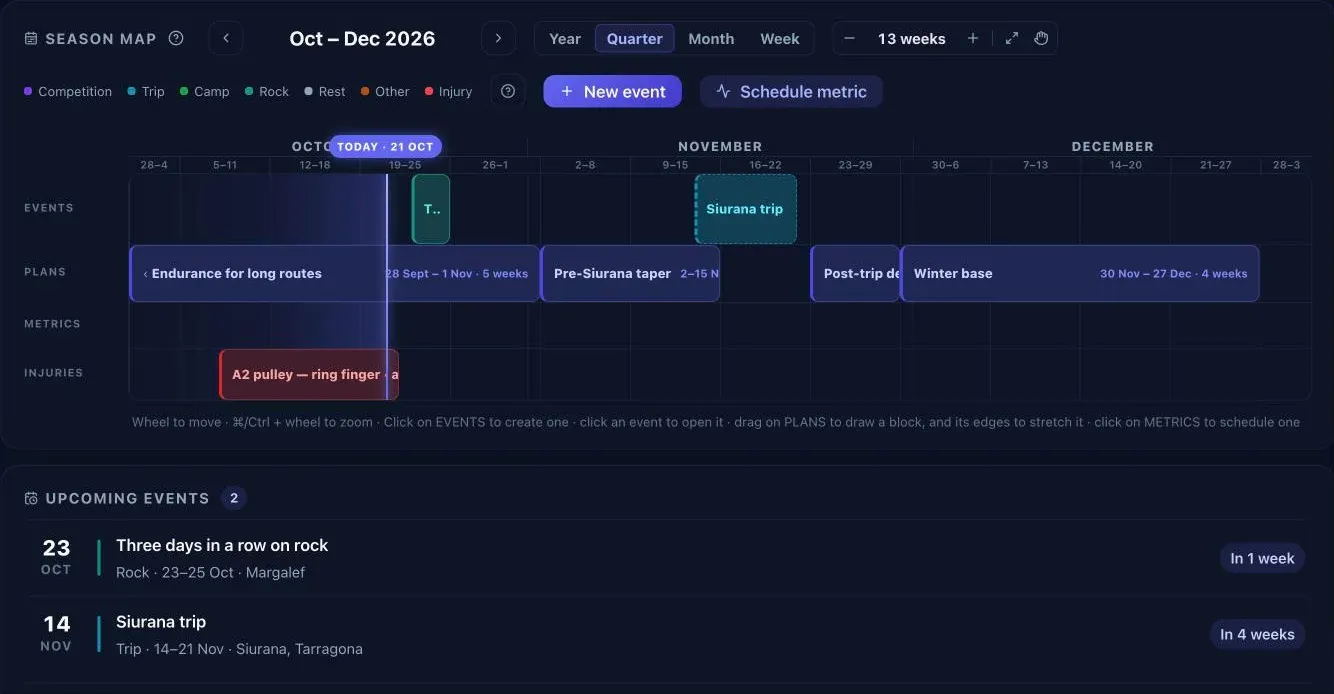
You draw a block by dragging along the plans row and resize it by pulling its edges. Upcoming events sit right below, so the trip never catches you off guard.
The real curve of the ten days
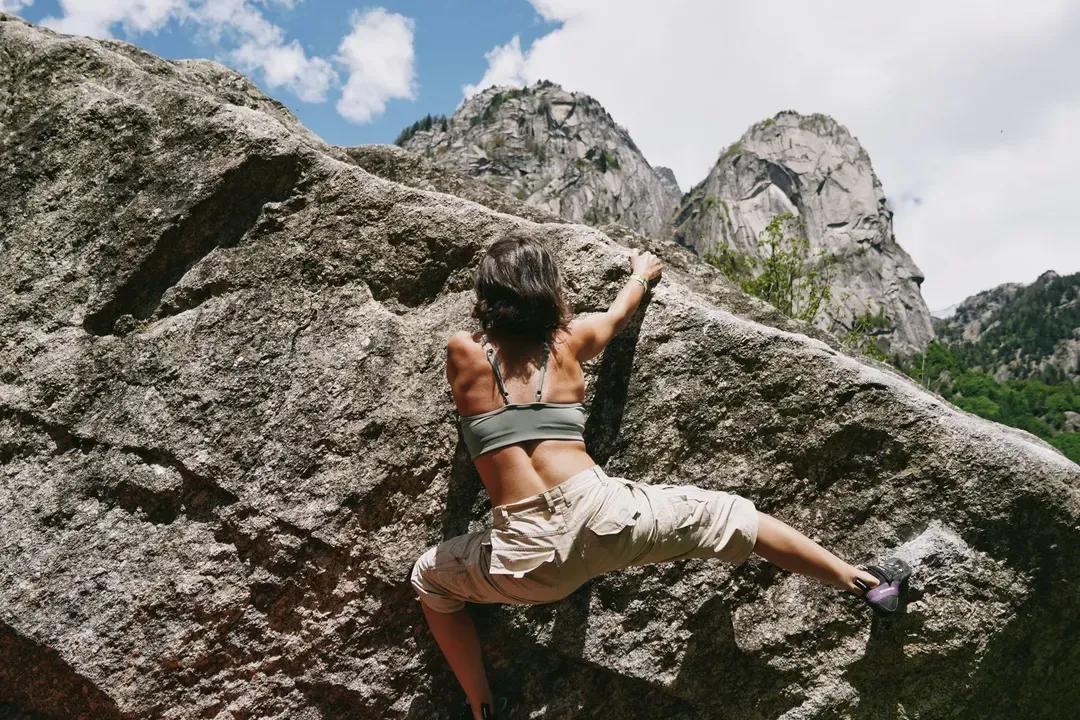
Almost nobody performs the same across all ten days, and the shape of the curve is fairly predictable:
Days 1 and 2. These aren’t the best days, however keen the athlete is. They’ve just come off a long journey, their skin isn’t used to the rock type, and they don’t yet know how to move in that style. Burning day 1 trying the project is the most common waste there is.
Days 3 to 6. This is usually where the good window is. Movement adapted, skin toughened up, fatigue still manageable.
From day 7. Accumulation starts to call the shots. You no longer win by adding days; you win by choosing the right ones.
That gives two simple rules:
The first days are for reconnaissance, not for attempts. Moderate volume, learning the style, trying sequences. The project comes in when the curve rises.
Rest days are scheduled before they’re needed. The pattern that wrecks trips is climbing until you can’t go on and resting only then. A rest day placed in time, when it isn’t yet needed, preserves the window from day 5 to day 8. Placed too late, all it does is help you climb out of a hole.
Skin
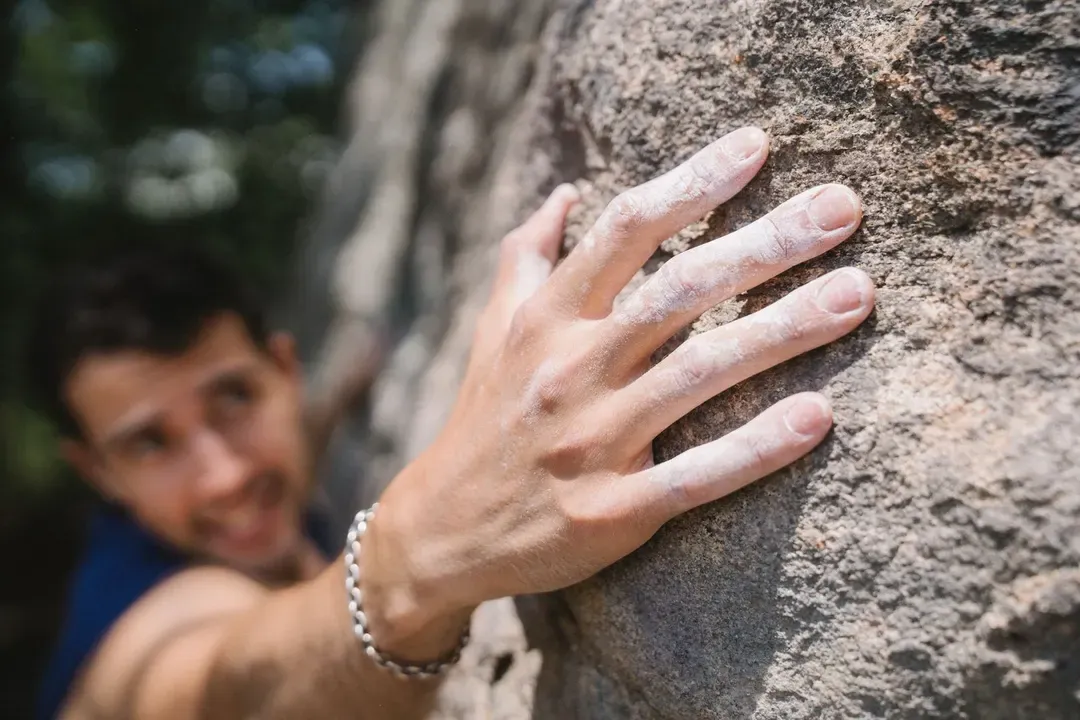
There’s a limit no training plan models, and on a long trip it matters as much as strength: skin.
On Fontainebleau sandstone or sharp limestone, an athlete can have perfect fingers and wrecked fingertips by day four. And skin doesn’t recover with muscular rest: it has its own pace, its own care and its own rationing of attempts.
There’s no need to turn it into a science. It’s enough for it to come up in conversation before the trip and in the log during it: if the athlete loses two days to skin, that’s trip information, and it’s information that repeats every year at that same destination.
What to log during the trip
This is the part that almost never gets done and the one that pays off most in the long run.
The trip is the most informative block of the year and the one that stays blank. If nothing gets logged, you lose two things: the ability to understand what happened, and the basis for better preparing the same trip next year, which, as we saw in the seasons article, comes round again.
What I’d ask for is deliberately little, because an athlete on a trip isn’t going to fill in forms:
- Whether they climbed or rested. That one line alone gives you the sequence of consecutive days.
- Perceived effort for the day. A number.
- Attempts on the project, if there is one.
- Niggles and skin condition. One word is enough.
- What they sent, with grade and style.
Thirty seconds in the evening. Ask for more and you’ll get nothing, and getting a little consistently is worth infinitely more than a detailed report that never arrives.
With ClimbrLab
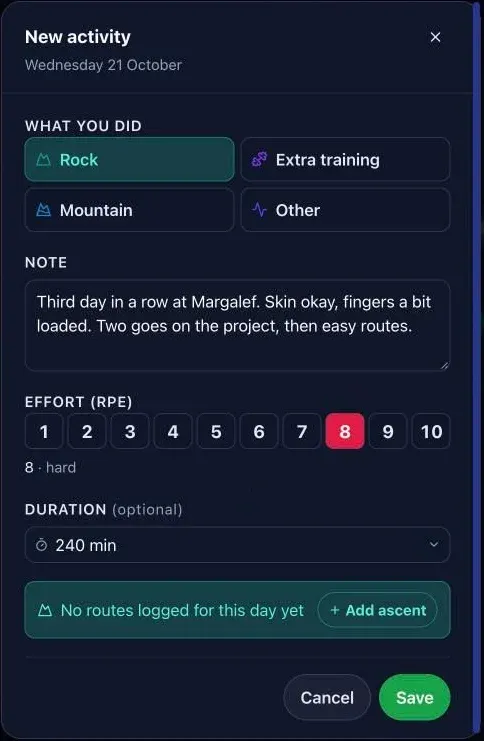
This is exactly what the athlete logs from their phone at the end of the day: that it was a rock day, a note, effort from 1 to 10, duration and the routes they sent. You get it in the same history as the rest of their season.
Coming home, which is where people break
The pattern: the athlete gets back on Sunday and by Tuesday they’re back at the wall doing the scheduled session, on tissue that has just absorbed the biggest accumulated load of their year.
After a long trip you have to deload, and genuinely deload on both axes. Not just fewer hours: also less specific finger work for a few days. It’s exactly the kind of situation in which elbows and shoulders flare up, which, as we saw in shoulder and elbow, creep in through load progression and give no warning until it’s late.
And it’s the moment to ask the question almost nobody asks: what went wrong. If the athlete ran out of skin, next year you prepare the skin. If they fell apart on day three, you work on back-to-back tolerance. If they arrived with strength to spare and short on route endurance, the block beforehand had the wrong focus. That fifteen-minute conversation is worth more than the four weeks of tapering.
Common mistakes
- Confusing rest with detraining. Three blank weeks before the trip.
- Not having climbed consecutive days in months and expecting to perform on five out of seven.
- Burning day 1 on the project, when skin and movement aren’t there yet.
- Resting once they’re already spent, instead of before.
- Training the wrong grip. Preparing for pockets by half crimping on small edges.
- Going back to the plan on Tuesday as if nothing had happened.
- Logging nothing for ten days and losing the most informative block of the year.
Where this breaks down
With one athlete this is a conversation. With fifteen it’s a calendar problem.
In October you have three athletes with trips: one leaves in two weeks and should already be cutting volume, another leaves in six and is still in a specific block, and a third has just got back and needs a deload, not the session that’s due. All three states call for opposite decisions in the same week, and none of the three is going to tell you: the one back from Font won’t message you asking for less load.
Spotting this isn’t a matter of judgement; you have plenty of that. It’s a matter of having fifteen athletes’ trip dates somewhere you can see them all at once, alongside their plan. When they live in a WhatsApp chat from two months ago, the same thing always happens: you remember the trip when the athlete is already packing their bag. It’s the same limit we described in managing 20 athletes without drowning in spreadsheets, applied to the part of the year that generates the most information and logs the least.
Where ClimbrLab fits in
ClimbrLab is the tool we’re building for climbing coaches who look after several athletes at once, and it grew out of exactly the problem in the previous section.
- The season at a glance. Each athlete has a map with plans, trips, competitions and injuries on one timeline. You see in one look the week when one is tapering, another is loading and another is coming home.
- Block-based plans. Mesocycles and microcycles with their sessions, which the athlete follows in the app.
- Logging athletes actually do. Rock days, effort, duration, notes and sends in thirty seconds, plus niggles with their follow-up.
- Tests before and after. Ask for a finger strength test before the trip and another when they’re back, and compare without a spreadsheet.
We’re opening early access for coaches. If you coach athletes and recognised yourself in the three-trips-in-October scenario, leave your details below.
Keep reading
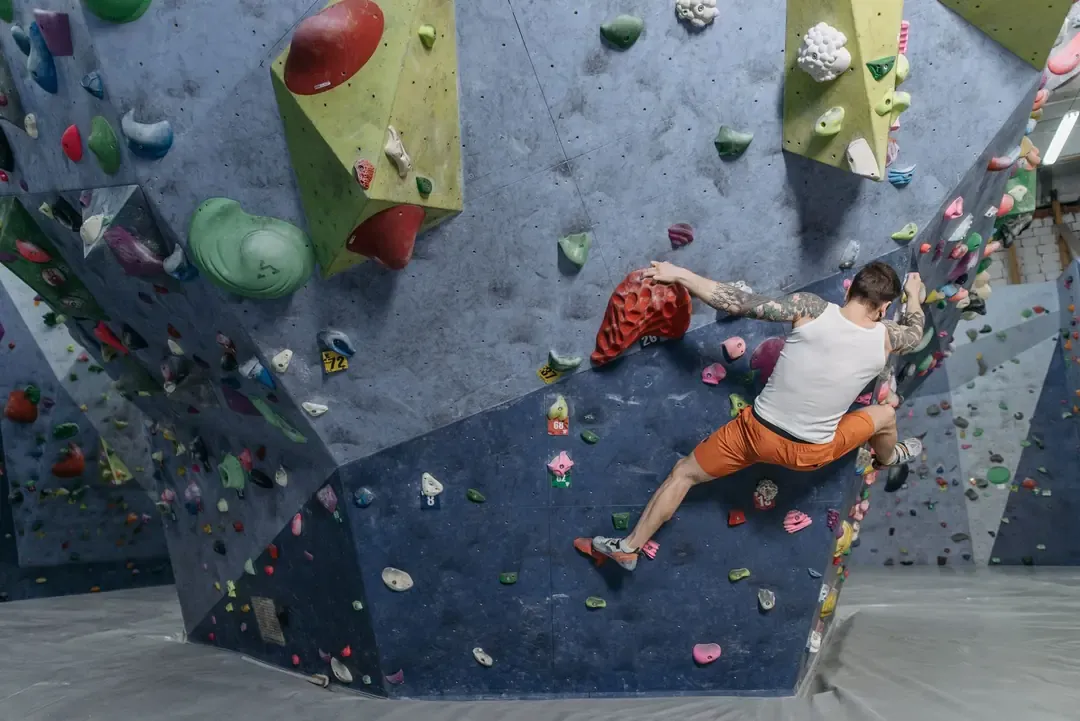
Deload weeks in climbing: when and how to program them
What the evidence actually says about deloading, how to cut volume without losing strength, and how to schedule deloads for climbers on different plans.
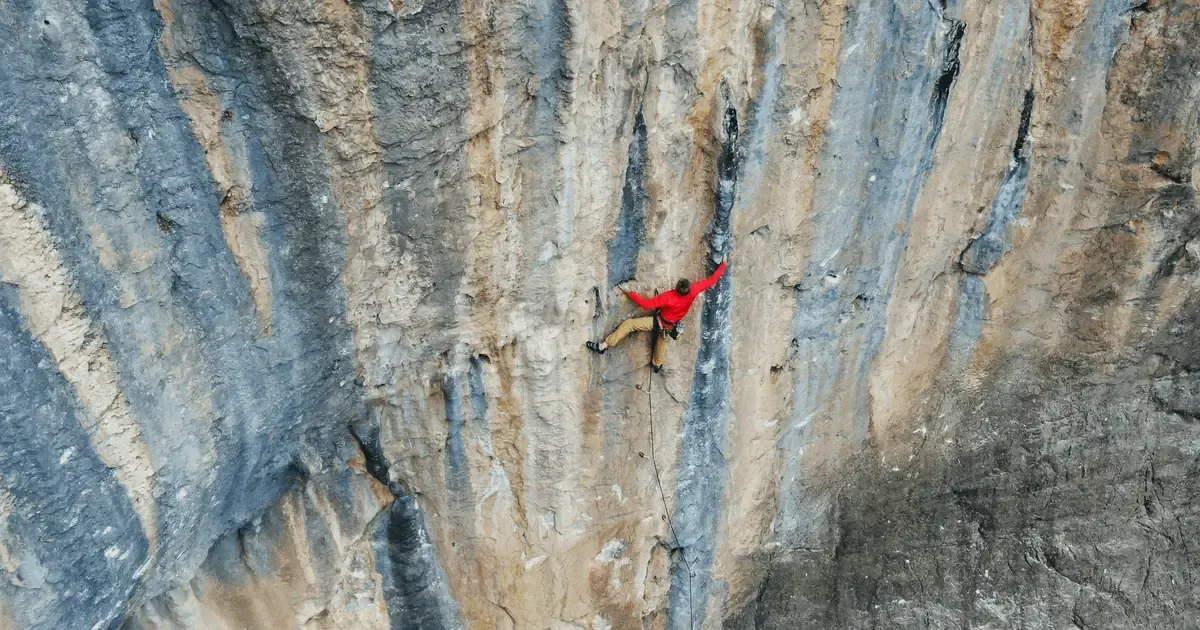
Rock climbing seasons in Europe: how they shape your planning
Siurana, Font, Céüse or Rodellar set your athlete's window better than any calendar. How to build a training year backwards from rock conditions.
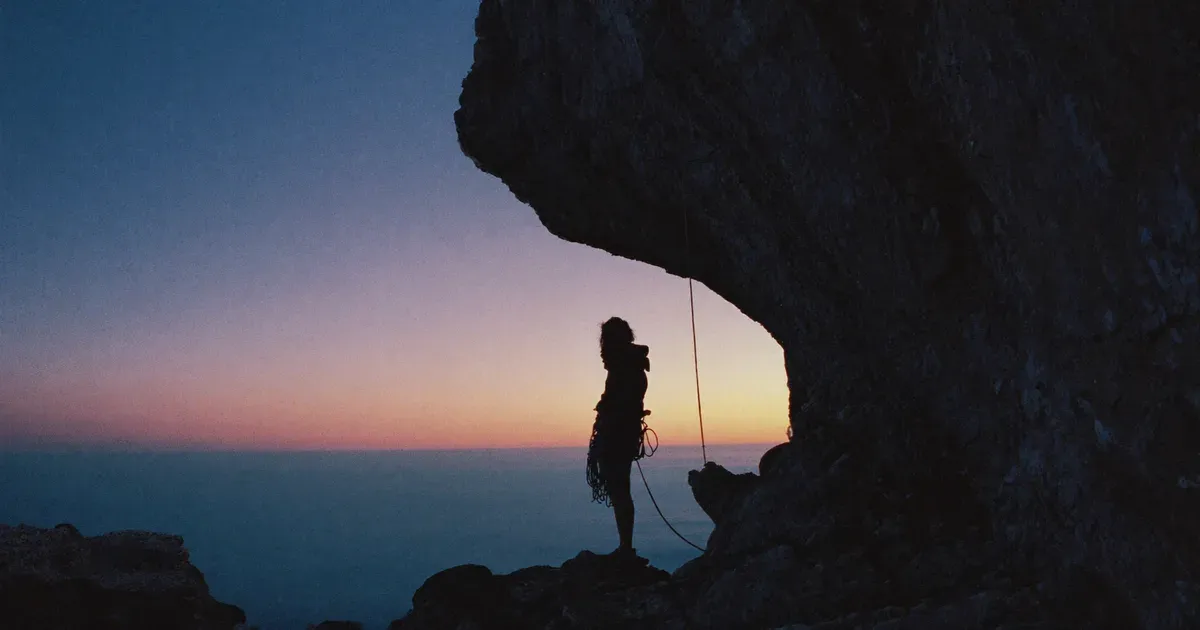
How to plan a climbing season in mesocycles
A practical guide to structuring a climbing season into mesocycles: how to distribute load, when to train max finger strength and how to peak for your project.
Do you coach climbing athletes?
ClimbrLab is software for climbing coaches who work with several athletes. You plan sessions and cycles, your athletes log workouts and routes from their app, and you see their finger strength (with Tindeq), training load, injuries and progress in one dashboard, with chat built in. If there are several coaches, Team mode lets you share a library and split athletes between you.
Tell us how you coach and we’ll get back to you with access.